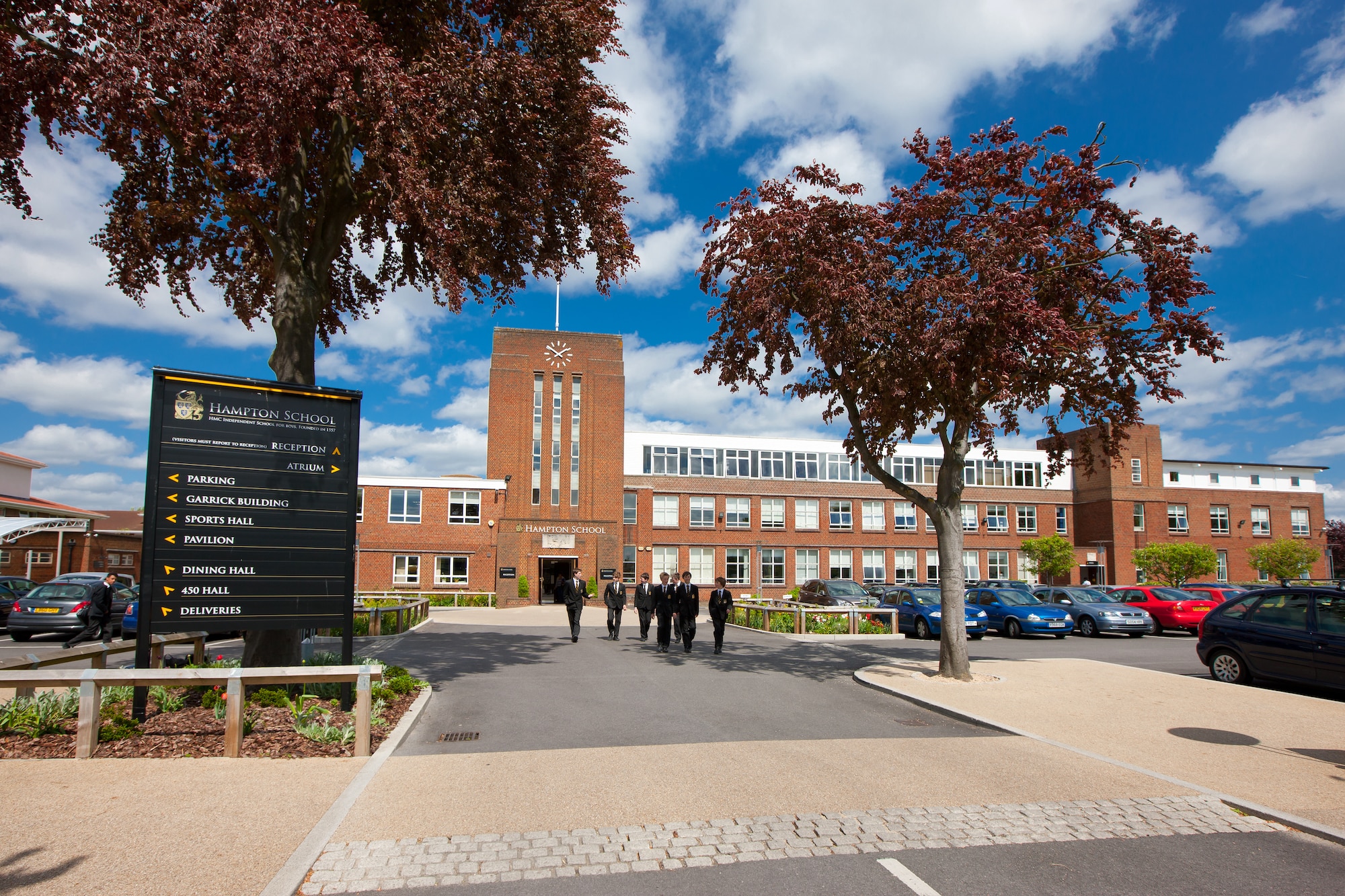
The year 1957 marked a significant milestone in the School’s history as it celebrated its 400th anniversary. A wide range of events and activities were held throughout the year to mark the occasion. Perhaps the most memorable for many was the School’s Service of Thanksgiving at St Paul’s Cathedral, which brought the series of celebratory Fourth Centenary Year events, to a fitting climax.
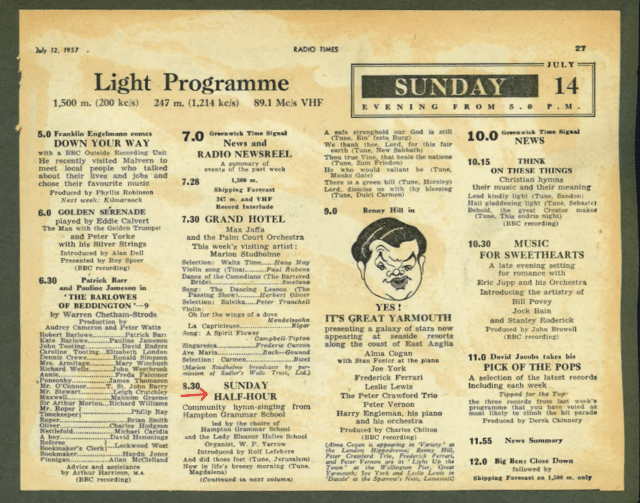
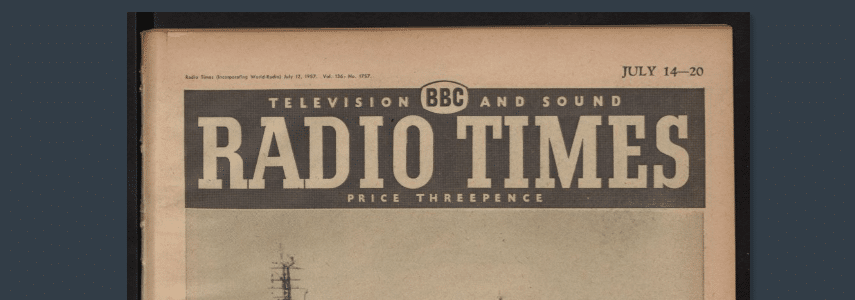
Yet another momentous event took place during this remarkable year: Hampton Grammar School became the first school to be broadcast on the BBC’s Light and Overseas Radio Services. Appearing on the Sunday Half-Hour, the programme consisted of a series of hymns performed by a combined choir of pupils from Hampton Grammar School and Lady Eleanor Holles School.
Aired on 14 July 1957, the broadcast was recorded in the Main Hall at Hampton Grammar School. The accompanying organ was played by Mr. W. P. Yarrow; an English teacher and the School Organist from 1925 to 1965. Although the broadcast was not formally part of the quadricentenary celebrations, it was undoubtedly a remarkable achievement—not only for Hampton Grammar School, but for schools across the country.
The significance of the recording extended far beyond Britain. Among the many congratulatory letters the School received after the programme was broadcast, was one from a family in Finland. In 1957, the world was still firmly in the grip of the Cold War, and the BBC’s international broadcasts were routinely subject to Soviet jamming. The Finnish family explained that the choir’s performance was the first programme they had been able to hear from England for a considerable time, as the Russians had finally stopped jamming the BBC broadcasts reaching Finland that July.
It is a remarkable thought that something as seemingly simple as the voices of schoolchildren singing together could travel so far—and, for a family thousands of miles away, represent a brief opening to the outside world.
The story gives a wonderful perspective on what that broadcast meant. To those gathered in Hampton’s Main Hall, it may simply have been an exciting opportunity to sing on the BBC. But now, listening to this recording seventy years on, we recognise that it was to become something much greater.